
Lub Tsev > daim ntawv qhia
Thaum nws los txog rau cov chaw tsim khoom sib tsoo xov xwm pob, there is a diverse range of options available to pick from. Steels such as pearlitic carbon steel, martensitic alloy steel, and high chrome steel are included in this category. Each of these categories comes with its own set of advantages and disadvantages. Therefore, it is essential that you determine which option best suits your needs.
Grinding media balls made of high chromium steel are cast in metal molds throughout the manufacturing process. This is carried out in a furnace that uses electric induction at a medium frequency. During the casting process, the temperature is maintained at approximately 1400 degrees.
These particular kinds of balls have exceptional resistance to wear. They work wonderfully in applications requiring grinding. They have a longer lifespan than forged balls, which results in a lower cost per ton for their purchase.
The amount of manganese present in AISI Type 52100 Chrome Steel kev sib tsoo pob zeb is less than 2.2%. Mn is added to balls with bigger diameters in order to enhance the concentration of Cr. These balls may also be cast from high-chrome cast iron if the manufacturer so chooses.
In addition to increasing resistance to wear, grinding media with a high chromium content helps to establish milling conditions that are more constant. Because of its consistent hardness, it may be used for processing both wet and dry ores. This versatility makes it an extremely versatile material.
Grinding media with a high chromium content often have a martensitic structure combined with hard chrome carbides. It is adaptable to a wide variety of applications across a variety of industries. As a result, it is anticipated that it will be utilized in the years to come.
The market for high-chrome steel grinding media balls may be broken down into four categories: type, application, region, and the competitive landscape. In addition to that, the study includes information on important drivers as well as limitations.

The invention relates to a method for increasing the durability and resistance to wear of tempered balls used in grinding operations. This method is applicable to a wide variety of different ball stock chemical compositions. After the quenching process, it involves warming the balls that have been tempered and then let them to cool by air. The procedure results in a minor reduction in hardness while having no impact on the shell's hardness.
Due to the composition of the balls in a Hoobkas sib tsoo xov xwm pob, their outer shells have an excellent hardness of 65 Rockwell C. Pearlitic cores are included into structures to protect their integrity in grinding conditions. The compressive stresses in the martensitic shell act to counterbalance the tensile stresses that are present in the core.
When it comes to impact and wear, balls with a wider diameter have a harder time holding up. Larger balls typically have a hard exterior shell surrounding a softer pearlitic center on the inside. When the ball is subjected to tension, the tensile stress in the inner pearlitic core rises to a level that is higher than the core's balancing tensile strength.
Balls with a smaller diameter have a martensitic core that is significantly more prevalent than a pearlitic core. The end product is a martensitic shell that has had its exterior stress eased.

rau lub tshuab sib tsoo pob operations, martensitic alloy steel balls are the material of choice. Pearlitic carbon steel balls are replaced by these balls because of their superior strength. However, in comparison to their counterparts, they have a smaller surface area and more wear characteristics. Because of this, selecting one is a delicate process.
Iron and carbon are the two primary ingredients in the production of martensitic alloy steels, which are then routinely hardened to boost their tensile strength. In addition, they contain a high percentage of chromium, ranging from 12 to 18 percent. These steels are frequently put to use in applications that call for high strength as well as resistance to corrosion. On the other hand, when the temperature is low, they become brittle.
Applications that call for a high tensile strength as well as a good impact fatigue strength frequently turn to martensitic stainless steels as the material of choice. In addition, they have excellent edge retention, which makes them appropriate for use as knives and scalpels. Due to the high concentration of carbon, welding applications cannot make use of these materials.
The processes of quenching and tempering can be used to increase the hardness of martensitic steels. Other procedures that are utilized in the production of martensitic wear-resistant steel matrices include forging and soft grinding respectively. The forging process results in the material having a higher retained austenite content, despite the fact that it increases in hardness.

The advantages of using the alumina ceramic grinding ball are numerous. It has a wide variety of uses in many different domains. It has a high level of hardness, a high level of wear resistance, and great chemical stability, which are some of its physical advantages. Having said that, there are a few downsides. One of these is that it contains a significant amount of aluminum in its composition. In addition to this, it requires sudden shifts in temperature. Therefore, it cannot be utilized in the capacity of a dry agent.
The extremely expensive price is another another drawback. You can utilize either tungsten carbide balls or silicon nitride balls for the same task, depending on your preference. Silicon nitride is a material that does not include any oxides and possesses high levels of mechanical strength and stiffness. They also have a very low coefficient of expansion when heated.
A further benefit of alumina pob is its excellent resistance to organic solvents. As a result of this, it finds widespread application in the industries of natural gas, fertilizer, and chemical engineering.
In addition to this, alumina is a material that has a very high degree of purity. This enables it to be utilized in the field of medical implants. In addition to this, it exhibits exceptional resistance to both abrasion and corrosion. Alumina possesses excellent electrical characteristics as well.
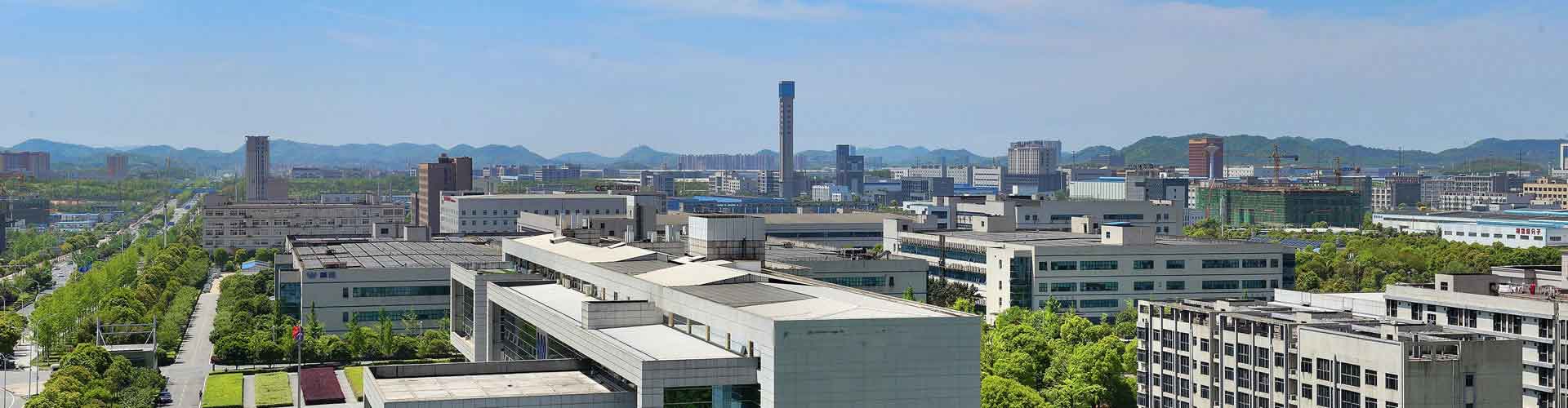
Lub chaw tsim khoom uas Tencan muaj tag nrho 20,000 square meters, thiab nws lub chaw tshawb fawb thiab kev txhim kho siv 2,000 square meters. Qhov no lav tias Tencan muaj peev xwm ua kom tau raws li txhua yam ntawm Kev tsim khoom ntsug planetary pob zeb cov qauv uas cov neeg siv khoom yuav muaj. Ntau tshaj peb caug daim ntawv pov thawj tau muab rau Tencan, thiab lub tuam txhab ua haujlwm nrog nees nkaum tus kws kho mob los ntawm tsib lub tsev kawm ntawv qib siab tshaj plaws hauv ntiaj teb.
Cov khoom lag luam ntawm cov tshuab siev hmoov cov khoom siv, thev naus laus zis, thiab cov khoom siv hmoov yog qhov tseem ceeb ntawm CHANGSHA TIANGCHUANG POWDER TECHNOLOGY CO. LTD lub tuam txhab cov haujlwm lag luam. Peb cov kab lag luam tseem ceeb suav nrog kev tsim cov tshuab sib tsoo pob hauv chaw kuaj mob, cov tshuab zom thiab cov tshuab milling, cov tshuab tshuaj ntsuam, cov khoom siv sib tov thiab sib tov, thiab lwm yam khoom siv hauv chaw kuaj mob xws li cov thawv hnab looj tes thiab cov khoom siv tshawb fawb.
Cov ntawv pov thawj xws li ISO9001, CE, thiab SGS, ntawm lwm yam, tau txais los ntawm CHANGSHA TIANGCHUANG POWDER TECHNOLOGY CO. LTD lag luam. Ntxiv rau qhov no, nws tuav ntau dua 40 daim ntawv pov thawj ntawm ntau yam thev naus laus zis uas tau tiv thaiv los ntawm lawv tus kheej cov cai tshwj xeeb. Nws tau raug lees paub los ntawm tsoomfwv ua ib qho kev siv thev naus laus zis siab. hmoov sib tov hmoov sib tov tshuab lub tuam txhab uas ua haujlwm hauv xeev Hunan.
Cov tsev kawm qib siab, cov koom haum tshawb fawb, thiab cov lag luam siv thev naus laus zis yog cov pab pawg neeg siv khoom tseem ceeb. Cov no cov chaw tsim khoom sib tov hmoov cov lag luam muaj ntau dua 20,000 tus neeg siv khoom nyob thoob plaws ntiaj teb thiab xa lawv cov khoom mus rau ntau dua 60 lub tebchaws.
 EN
EN  NL
NL FR
FR DE
DE HI
HI IT
IT KO
KO PL
PL PT
PT RU
RU ES
ES TR
TR AR
AR BG
BG HR
HR CS
CS DA
DA FI
FI EL
EL JA
JA NO
NO RO
RO SV
SV IW
IW ID
ID LV
LV LT
LT SR
SR SK
SK SL
SL UK
UK VI
VI ET
ET HU
HU UZ
UZ TH
TH FA
FA MS
MS BE
BE HY
HY AZ
AZ KA
KA MN
MN MY
MY KK
KK TG
TG


